
Case Study 03
Whole-Home Remodel + ADU Addition
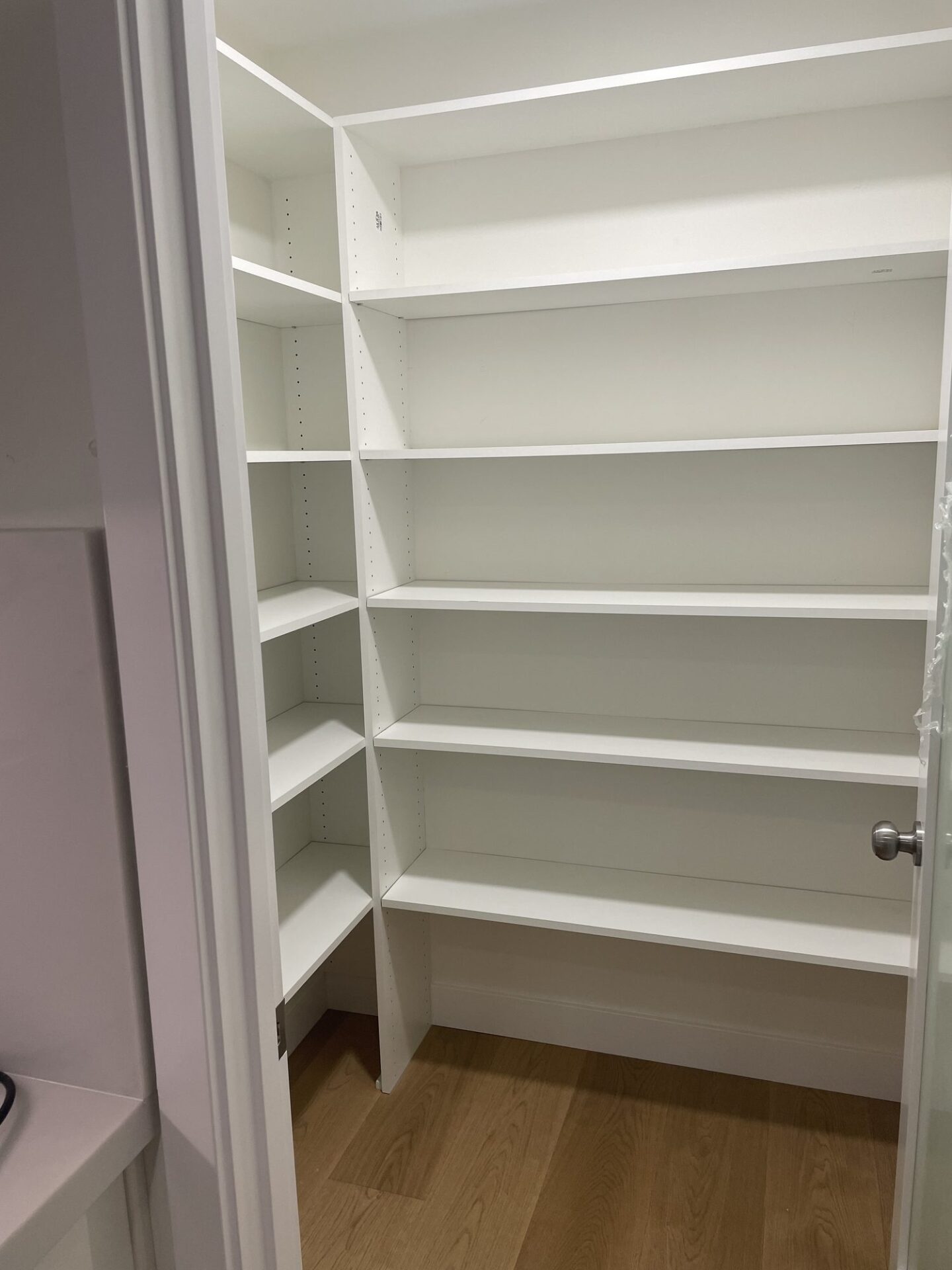
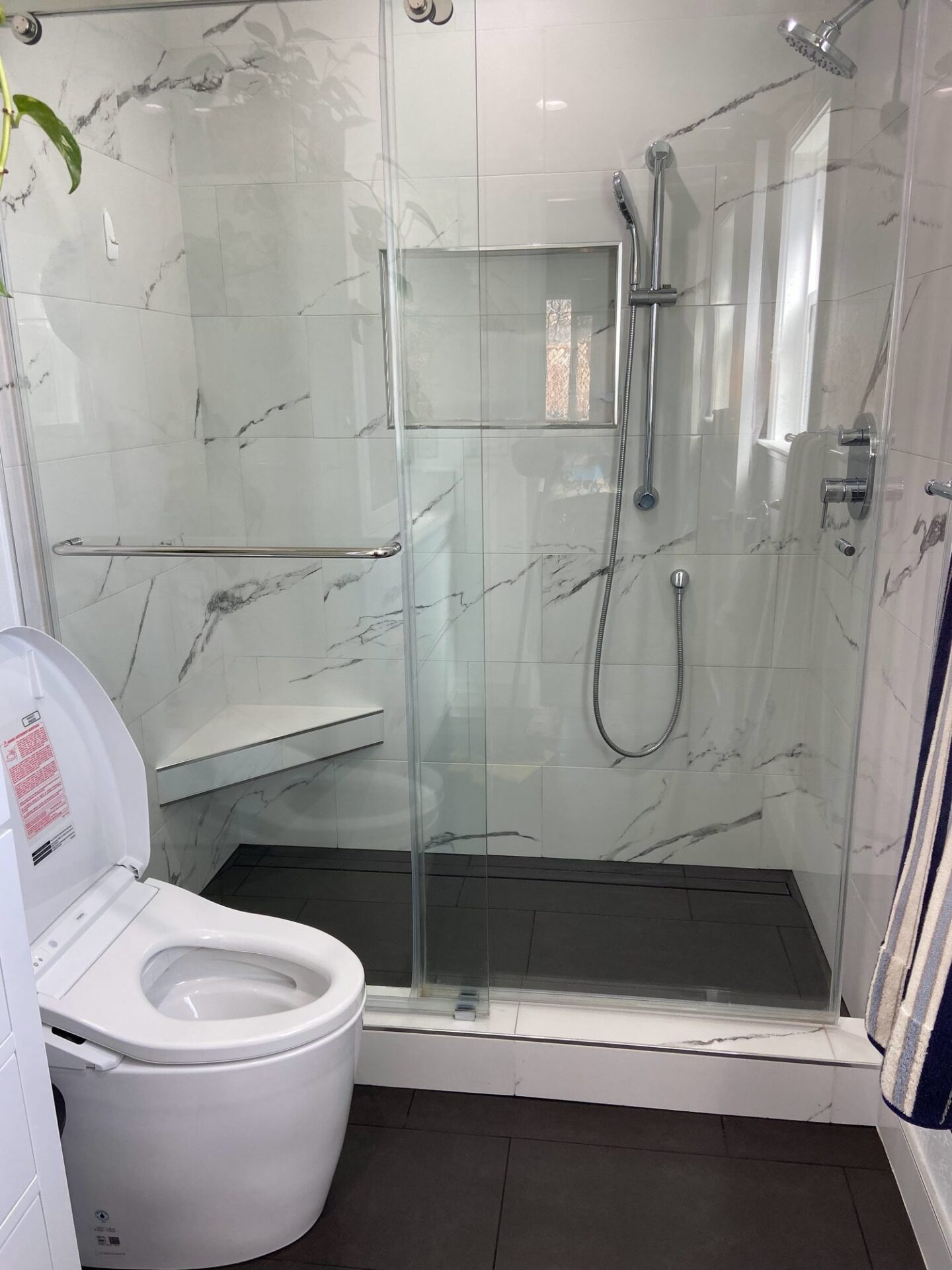
A phased residential remodeling project combining a full interior remodel of the primary residence with the design and construction coordination of a detached ADU on the same property. The client needed both scopes managed under one clear plan, with separate permit requirements, multiple trades, overlapping timelines and ongoing access to the primary home throughout the project.
LOCATION
Project Type
Client Type
01
The Challenge
Projects of this size introduce coordination complexity quickly. Morgado was managing work across two separate structures: the main residence and the detached ADU. Each had its own scope, sequencing requirements, subcontractors, inspections and material timelines.
The client also needed to remain in the primary residence while both scopes were active, which meant the project had to be staged carefully to reduce disruption, maintain safe access and keep essential areas of the home usable where possible.
On top of this, a whole-home remodel and ADU addition often create overlapping decision points. Interior finishes, utilities, framing, plumbing, electrical work, inspections and exterior access all need to be coordinated in the correct order.
Every project runs into challenges. Here is how we handle them.
Morgado plans the sequencing, coordinates every trade and keeps homeowners informed at each step, so projects stay on schedule even when the scope gets complex.
02
How We Structured The Project
Morgado structured the project as two connected scopes: the full interior remodel of the primary residence and the detached ADU addition. Each scope was planned separately, but managed under one coordinated schedule so the client had a clear view of the overall project.
The sequencing was designed to reduce downtime between trades. Where possible, foundation, framing or exterior work on the ADU could progress while interior remodel work was moving through separate stages inside the primary residence. This helped avoid treating the projects as two completely separate timelines, reducing the overall disruption for the homeowner.
The team coordinated each phase carefully, including demolition, framing, utility coordination, rough-ins, inspections, drywall, cabinetry, flooring, finishes and final detailing. Key decision points were identified early so selections, materials and trade requirements could be confirmed before they affected the schedule.
Morgado’s role was to keep the project organised, transparent and predictable across both work areas.
Scope Covered
03
Change Order Discipline
On a project of this duration and complexity, scope evolution is expected. Client-requested changes, material substitutions, design refinements and field conditions all needed to be handled carefully so there was no confusion around cost, timing or responsibility.
Morgado managed this through a written change order process. Any adjustment to the original contract scope was documented and approved before the work proceeded. This ensured the client always knew where the project stood and avoided the build-up of undocumented verbal agreements.
04
Outcome
- Both the main residence remodel and ADU addition were managed under one coordinated project plan
- Change orders were documented and approved before work proceeded
- Work was staged to reduce overall project duration and avoid unnecessary downtime between trades
- Trade scheduling was coordinated to reduce clashes and sequencing delays
- The primary residence remained occupied throughout the project with phased access coordination
- The client had one clear point of contact and regular project updates
- Separate permit and inspection requirements were managed across both scopes
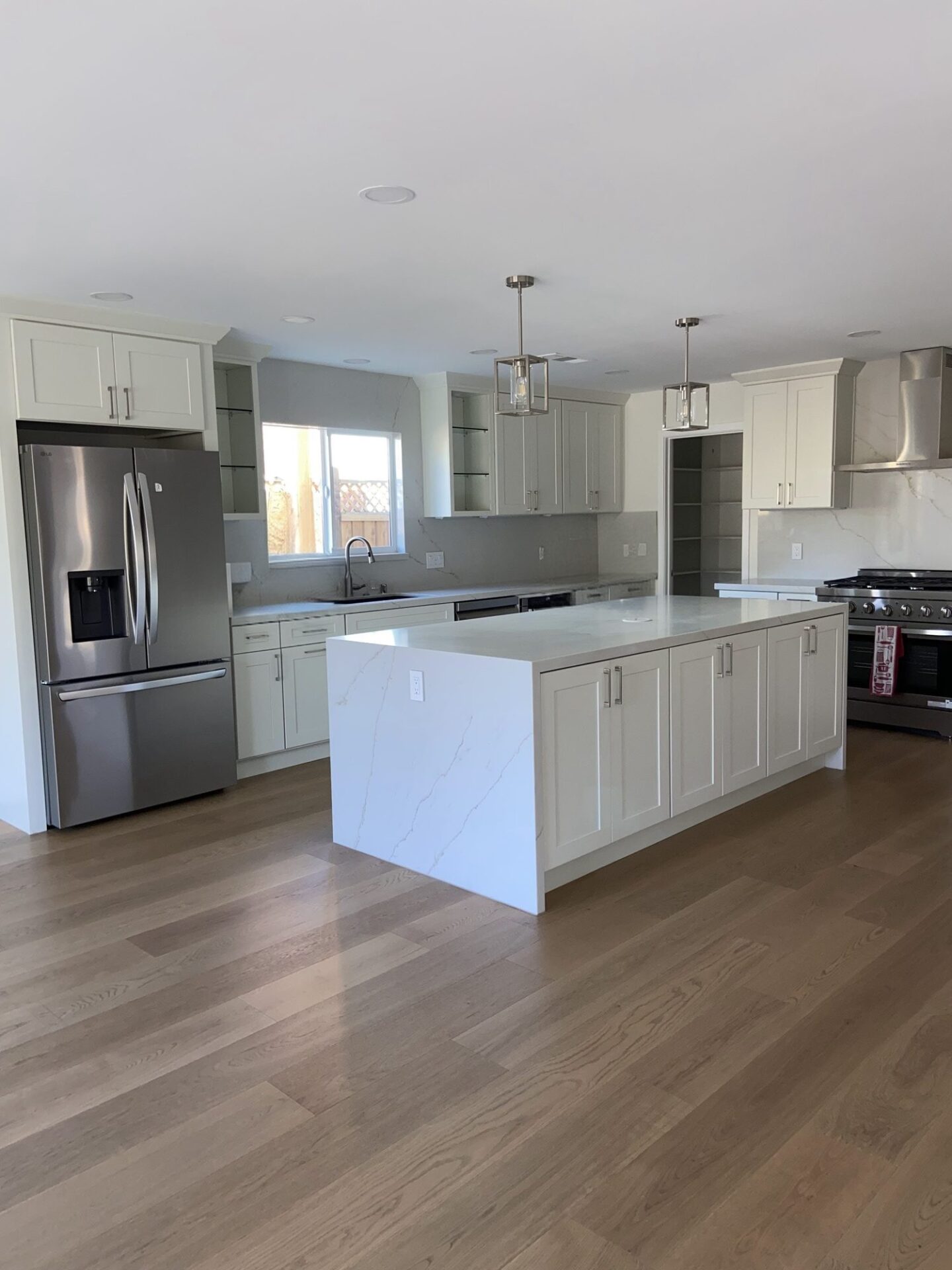
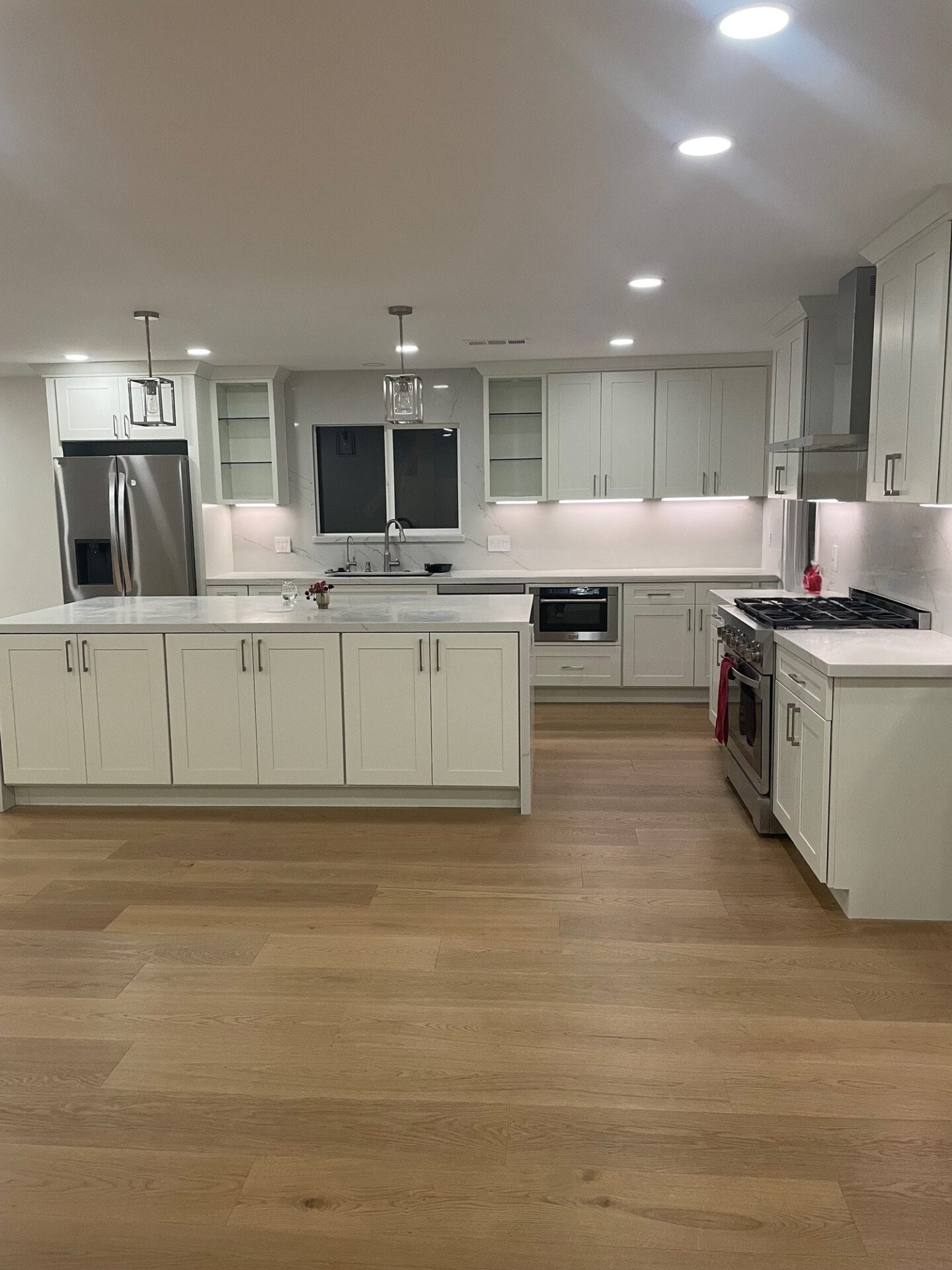
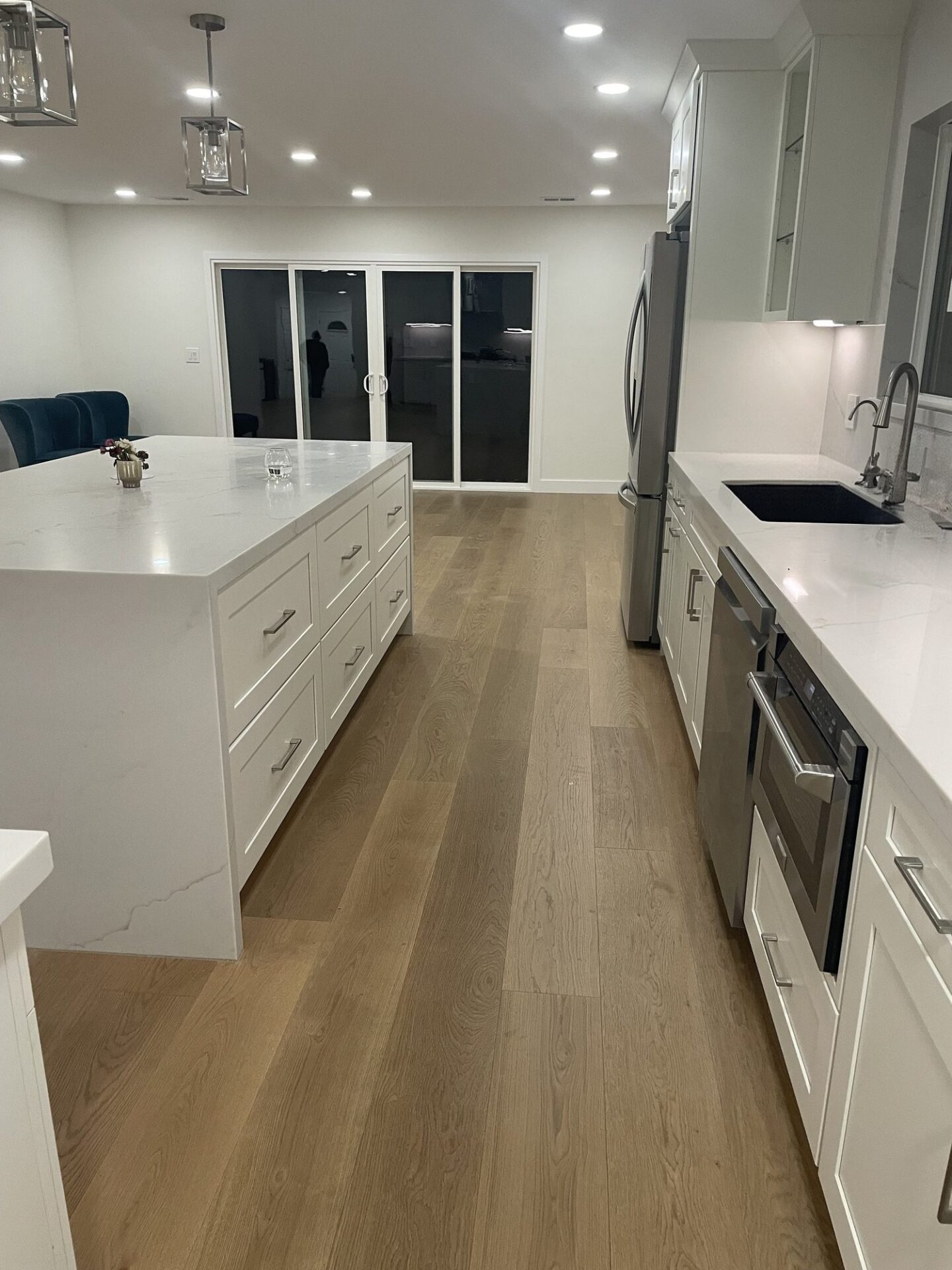
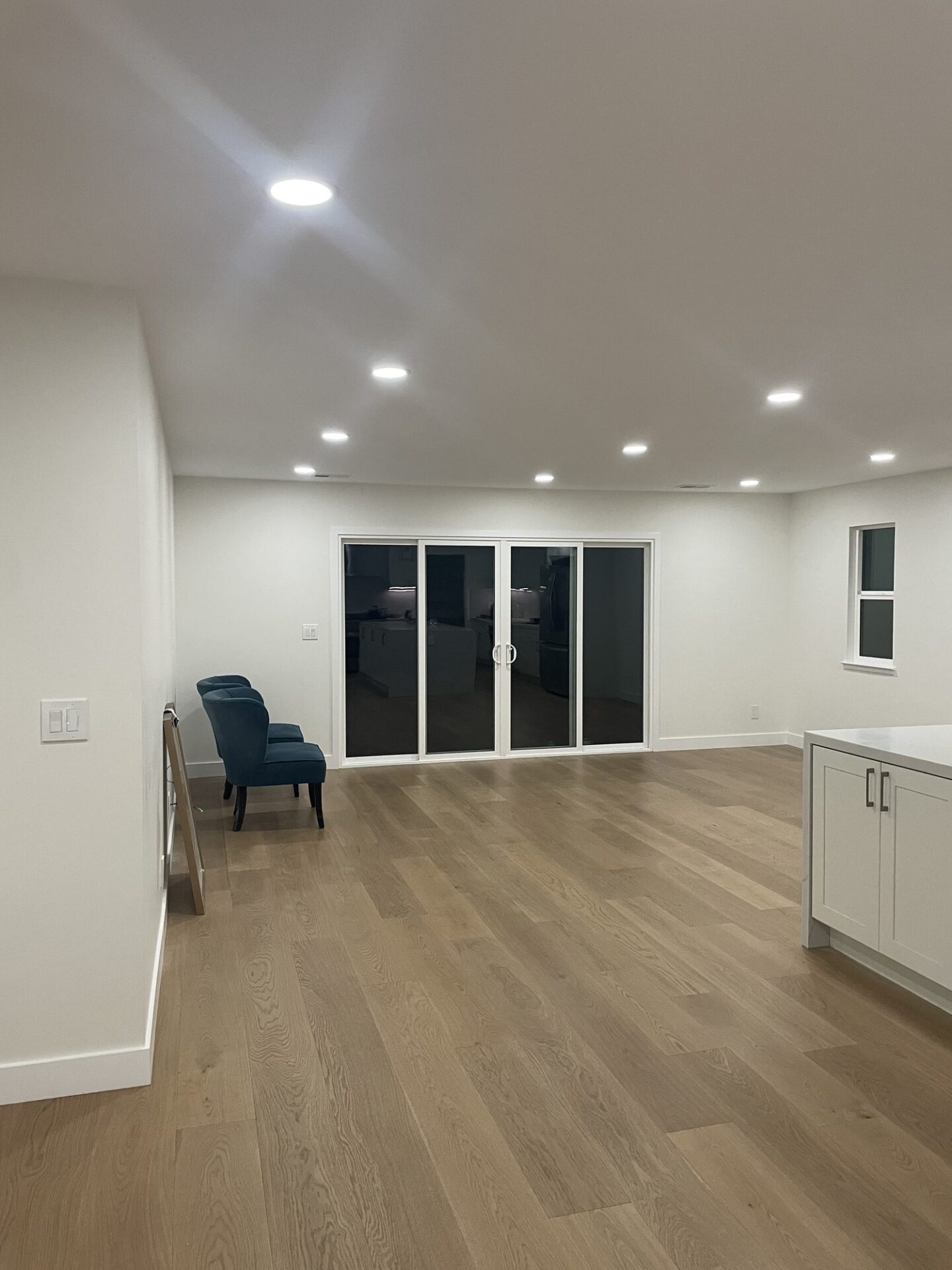
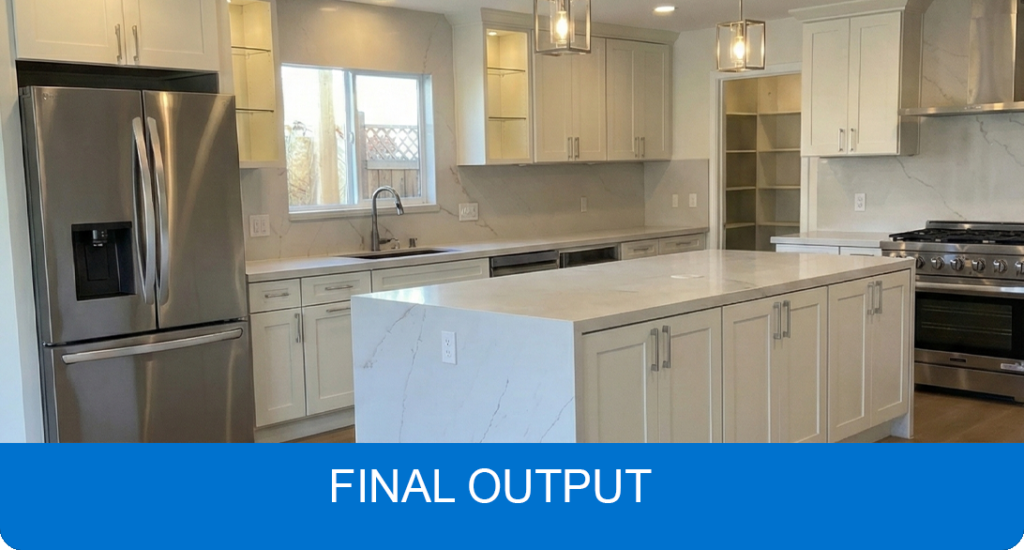
- The completed project delivered a refreshed primary residence and a functional detached ADU on the same property
The final result gave the homeowner a significantly improved main residence while adding flexible living space through the detached ADU. Morgado’s structured approach helped keep two complex scopes aligned, reducing disruption and giving the client a clearer, more predictable remodeling experience from planning through to completion.